Technical Specifications

Extrusion Capabilities

Full parameter range for our aluminum extrusion manufacturing process

Capability Parameters
Common Alloys 6005A / 6061 / 6063 / 6082
Max Profile Width Up to 600 mm
Wall Thickness 0.8–10 mm (Subject to Profile Design)
Standard Tolerance Critical Tolerance ±0.1 mm after review
Min Order Qty Prototype and low-volume orders supported; production quantities depend on project requirements
Die Lead Time 7–14 days (Typical)
Production Lead Time 7–20 days (Project Dependent)
Surface Finishing Anodizing / Powder Coating / Sandblasting / Electrophoresis
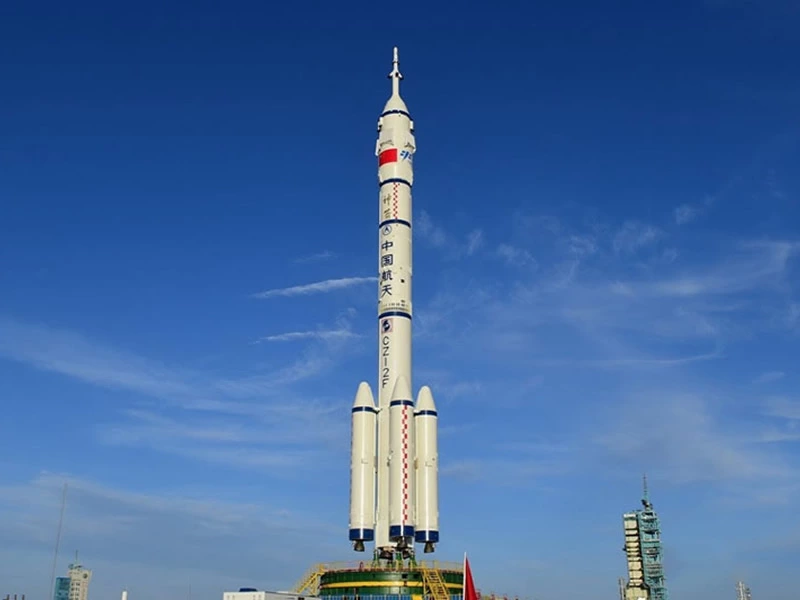
Typical Industries Construction, Electronics, Industrial,  EV

Profile Complexity We Handle

  • Solid profiles (bars, angles, channels)
  • Hollow profiles (single & multi-void)
  • Semi-hollow profiles
  • Asymmetric complex cross-sections
  • Thin-wall profiles from 0.8 mm after review

Product Cases

Aluminum Extrusion Product Cases

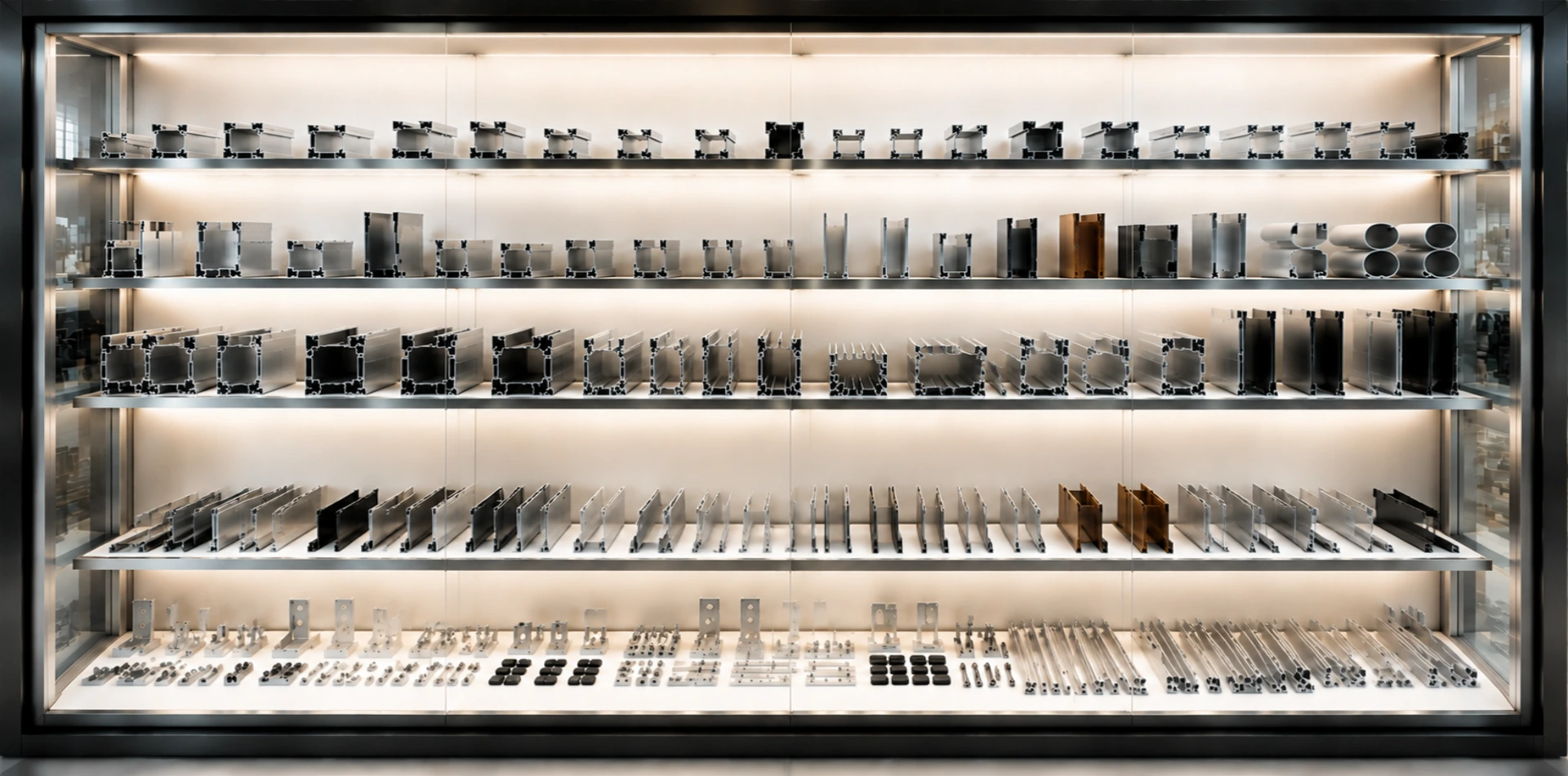
Real aluminum extrusion profiles and fabricated parts produced for global customer projects

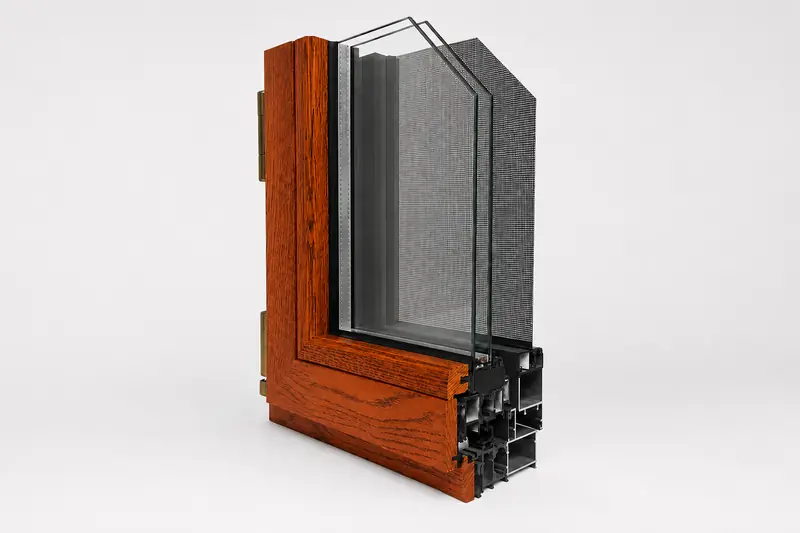
Wood Grain Aluminum Window Profile
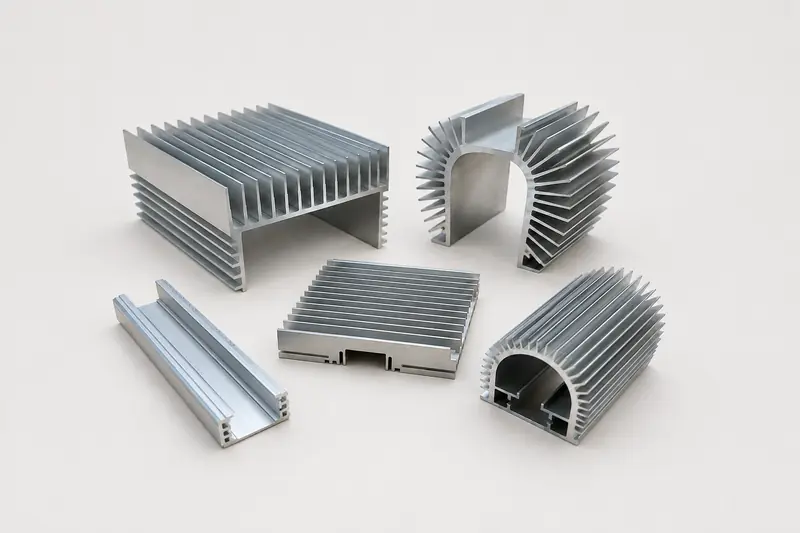
Aluminum Heat Sink Extrusion Profiles
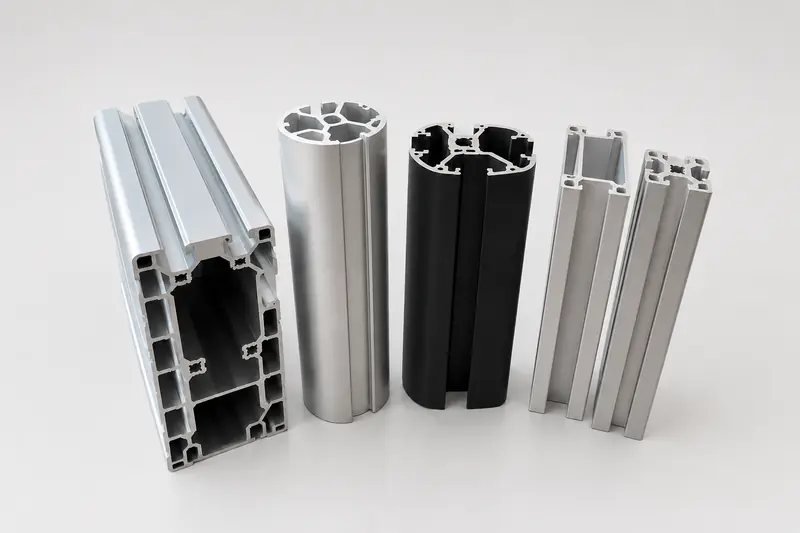
Industrial Aluminum Extrusion Profiles
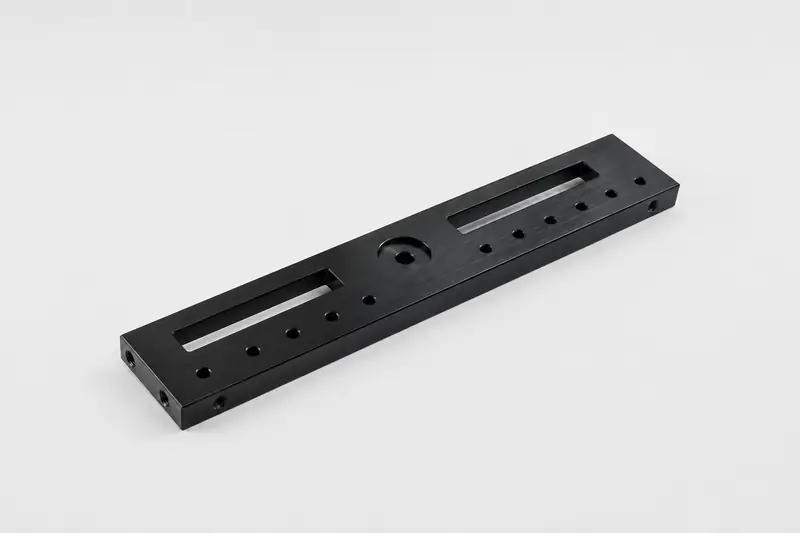
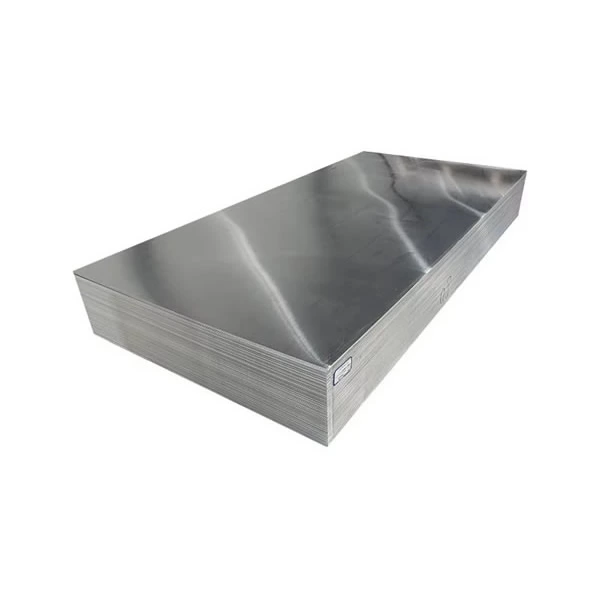
Black Anodized CNC Aluminum Plate
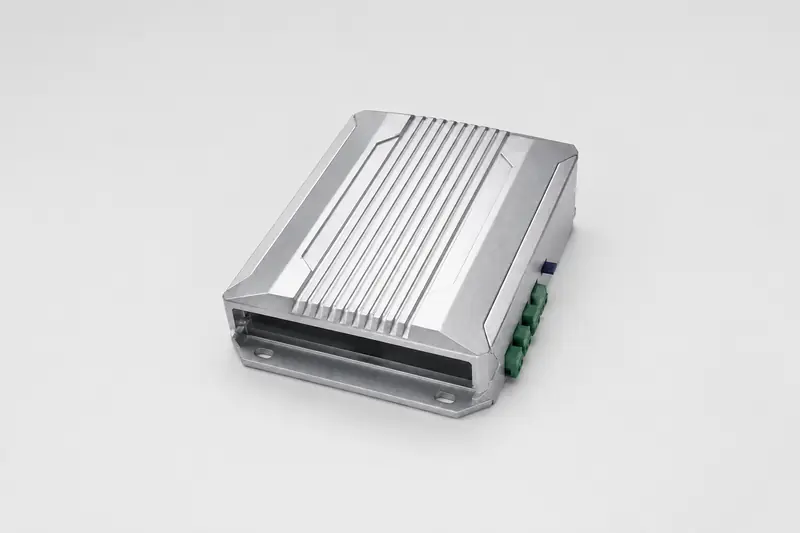
Aluminum Electronic Enclosure
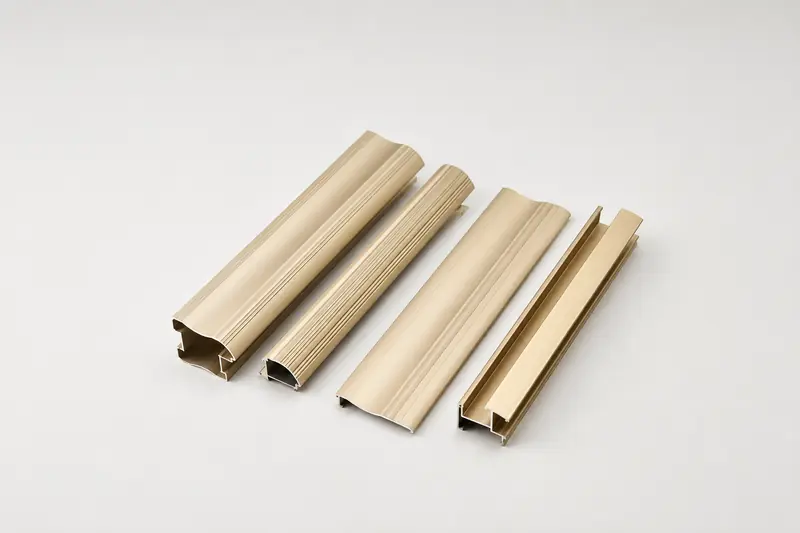
Gold Anodized Aluminum Trim Profiles
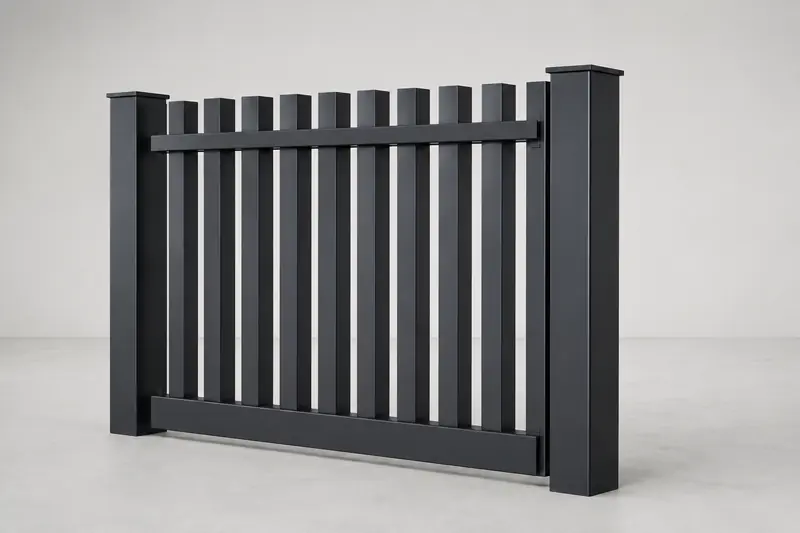
Black Aluminum Fence Panel
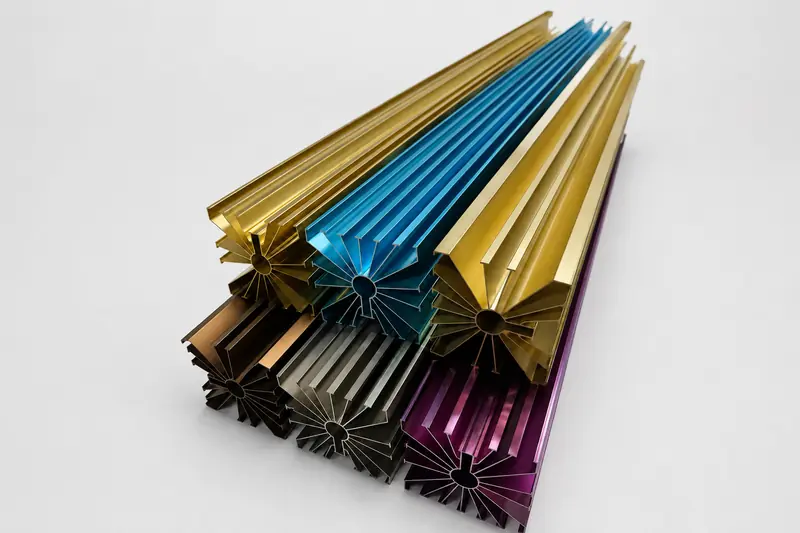
Colored Anodized Aluminum Extrusions

Can't find the product you need?    Contact us to discuss your custom manufacturing requirements and find the right solution for your project.

Explore Products

Secondary Processing

CNC Machining & Secondary Operations

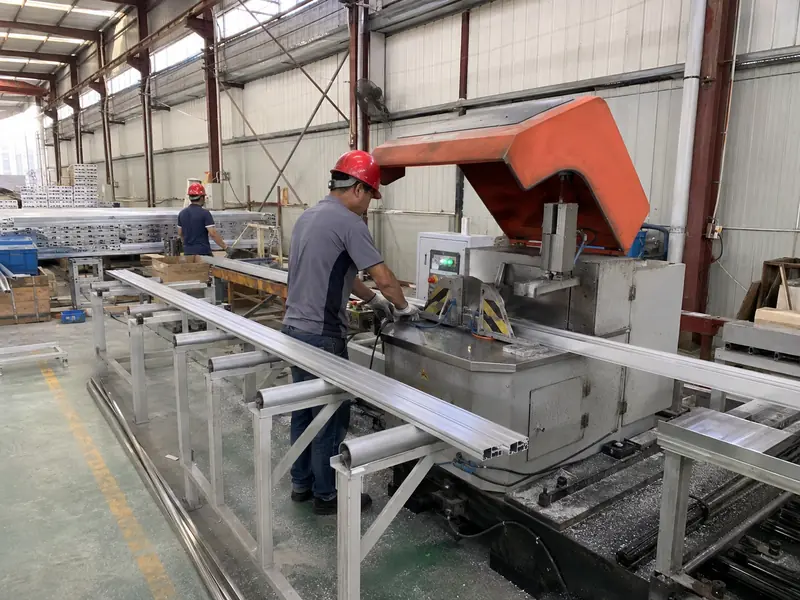
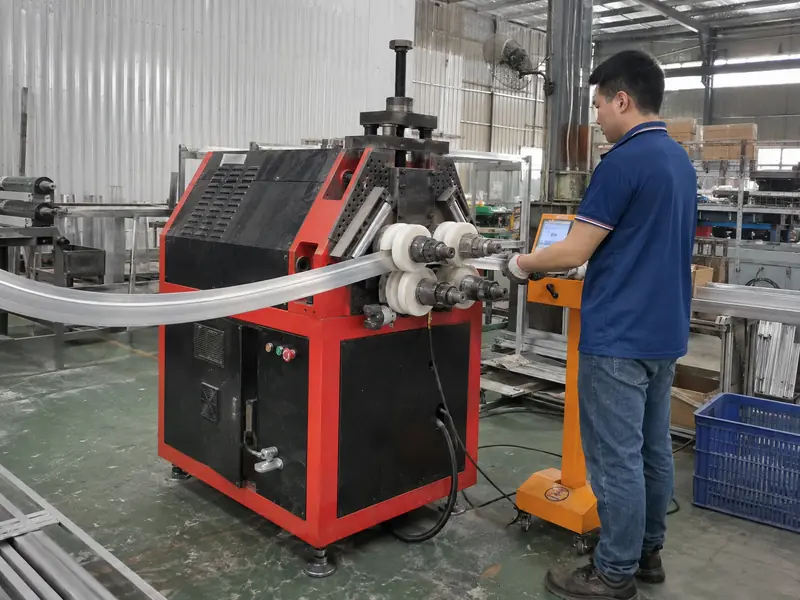
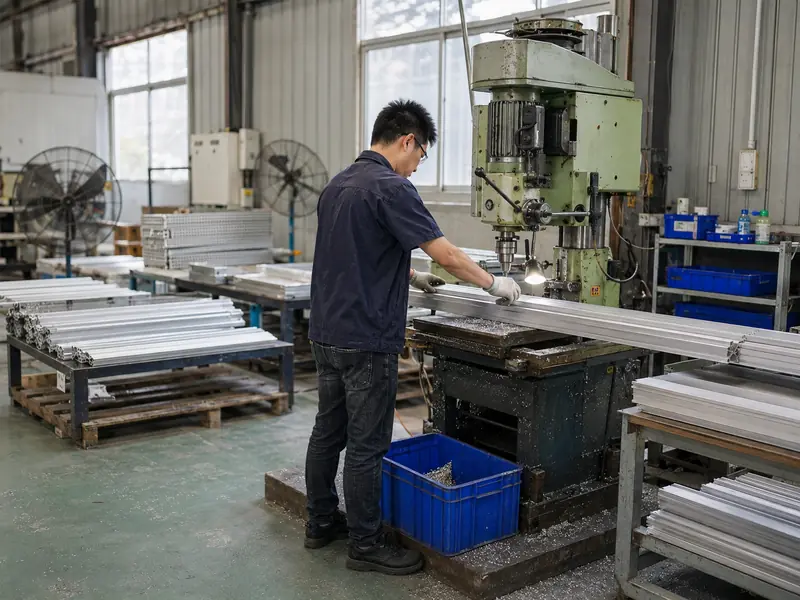
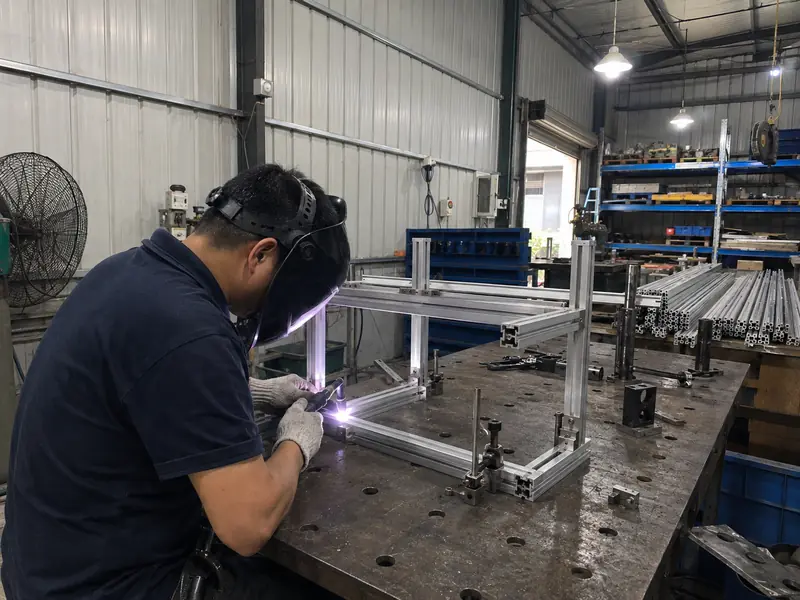
All secondary operations are performed in-house, eliminating the need for multiple suppliers. This reduces lead times, ensures quality consistency, and simplifies your supply chain.

Cutting
Bending
Drilling & Tapping
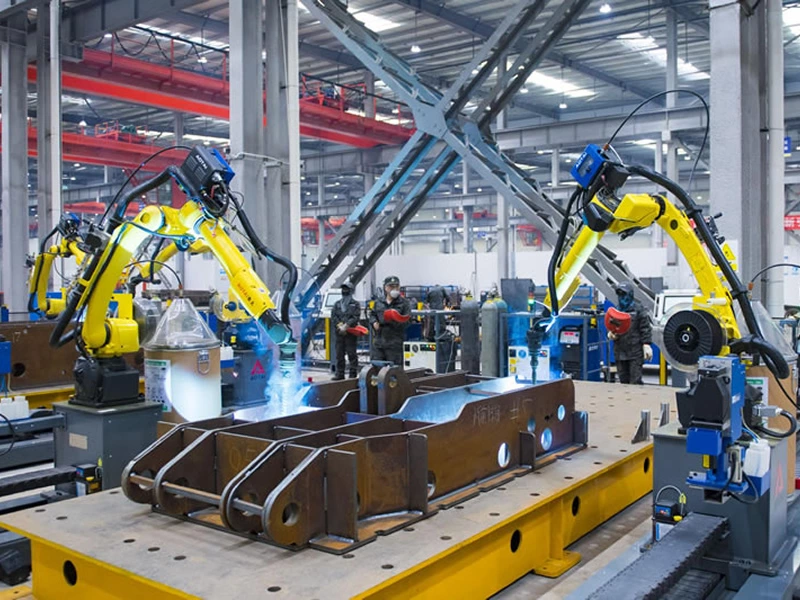
Welding
CNC Milling
Assembly

Production Process

From Drawing to Finished Profile

Our end-to-end extrusion process ensures quality at every stage

01

Die Design & Engineering

Die Design & Engineering

Our engineers review your profile drawing and provide DFM feedback. Custom extrusion dies are designed and manufactured in-house, typically ready in 7–14 days.

Includes DFM analysis, die flow simulation, and tolerance review before manufacturing.

02

Billet Heating & Extrusion

Billet Heating & Extrusion

Aluminum billets are heated to 450–500°C and forced through the precision die under high pressure to form continuous profiles.

Extrusion speed and temperature are precisely controlled for consistent mechanical properties.

03

Cutting & Straightening

Cutting & Straightening

Extruded profiles are cut to length and straightened using precision stretching equipment to meet dimensional tolerances.

Length tolerance: ±1 mm typical. Straightness: ≤0.5 mm/m for selected profiles.

04

Heat Treatment (T5/T6)

Heat Treatment (T5/T6)

T5 and T6 tempers are selected based on alloy and strength requirements.

Controlled aging furnaces with temperature uniformity ±5°C.

05

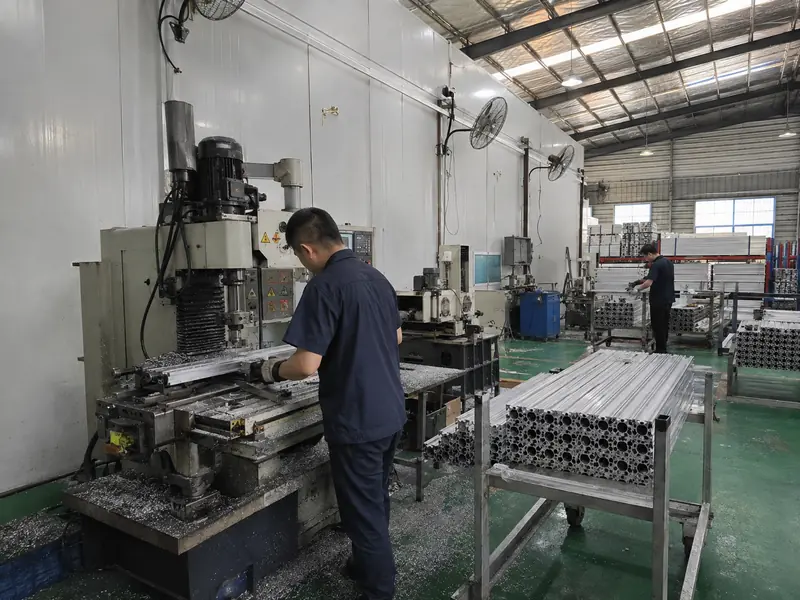
CNC Secondary Machining

CNC Secondary Machining

Post-extrusion CNC machining including cutting, drilling, tapping, milling, and bending to achieve final part geometry.

Machined features to ±0.1 mm, with critical dimensions up to ±0.01 mm.

06

Surface Finishing

Surface Finishing

Anodizing, powder coating, sandblasting, or electrophoresis applied to achieve required appearance and corrosion protection.

Full in-house finishing lines. Color matching and custom finishes available.

Material Selection

Common Aluminum Alloys

Click each alloy to view detailed properties and applications

6063 Aluminum Extrusion Alloy

6063 Aluminum Extrusion Alloy

Architectural & General Extrusion Grade
6061 Aluminum Extrusion Alloy

6061 Aluminum Extrusion Alloy

Structural & Machining Grade
6005A Aluminum Extrusion Alloy

6005A Aluminum Extrusion Alloy

Medium-Strength Structural Grade
6082 Aluminum Extrusion Alloy

6082 Aluminum Extrusion Alloy

High-Strength Structural Grade

Note: Alloy properties vary by temper, profile design and application. Please send drawings or samples for engineering review.

Applications

Industries We Serve

Supporting diverse industries with tailored manufacturing solutions for varied application needs.
Your Competitive Advantage

WHY CHOOSE US

Your Competitive Advantage

End-to-end aluminum extrusion solutions engineered for quality, speed, and long-term partnership.

One-Stop Process Support

One-Stop Process Support

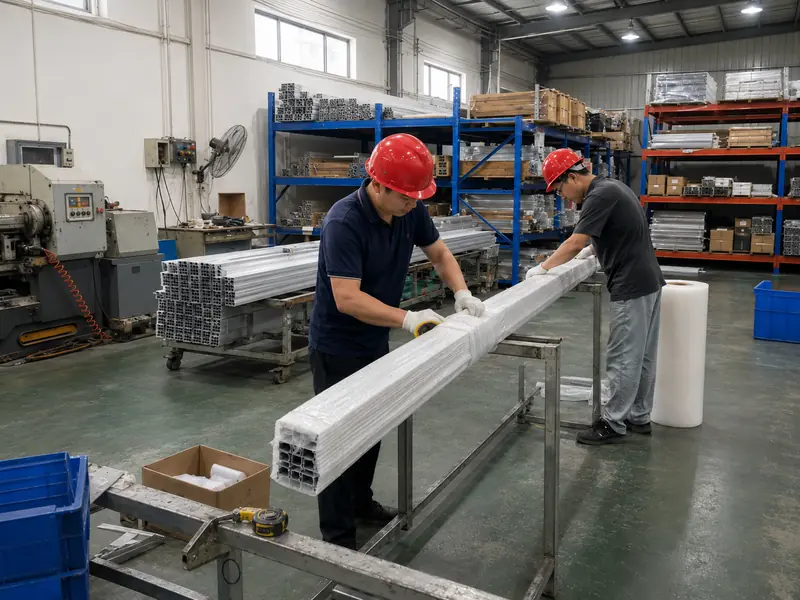
From extrusion and machining to finishing and assembly, we deliver complete solutions under one roof.

Expert Engineering Review

Expert Engineering Review

DFM analysis and engineering support ensure your design is optimized for performance and manufacturability.

Reliable Communication

Reliable Communication

We confirm extrusion tooling and profile details before the die is cut, so design changes don't turn into costly mid-run rework. A dedicated team supports your project from quote to delivery, backed by our 98% on-time delivery rate.

FAQ

Common Questions

Clear answers to help you better understand our services and capabilities.

Aluminum extrusion is a process where aluminum is pushed through a shaped die to create a continuous profile with a consistent cross-section, commonly used for frames, rails, and structural components.

Wall thickness affects more than strength — it controls how evenly metal flows through the die during extrusion. Walls that are too thin can crack, while walls that are too thick may cool unevenly and cause dimensional instability; the safe range depends on the alloy, profile shape, and press capability, not on structural need alone.

Most custom profiles require a dedicated die, which is typically a one-time tooling cost separate from the per-part price. Share your profile drawing and we can confirm what's needed for your design.

Minimum quantities depend on the profile's complexity and die requirements. Share your drawings and target volume, and we'll confirm what's feasible.

6063 is the more common choice for architectural or decorative profiles because it takes a better surface finish and anodizes well, while 6061 is generally preferred for structural profiles that need higher strength.

Ready to Start Your Custom Aluminum Project?

Upload your drawings or describe your requirements. Our team will review your inquiry promptly and provide initial feedback.

This site uses cookies

We use cookies to collect information about how you use this site. We use this information to make the website work as well as possible and improve our services.more details