Technical Specifications

Custom Aluminum Fabrication Capabilities

Technical parameters for custom aluminum cutting, bending, punching, drilling, welding and CNC machining projects.

Capability Parameters
CNC Machining Tolerance ±0.01 mm
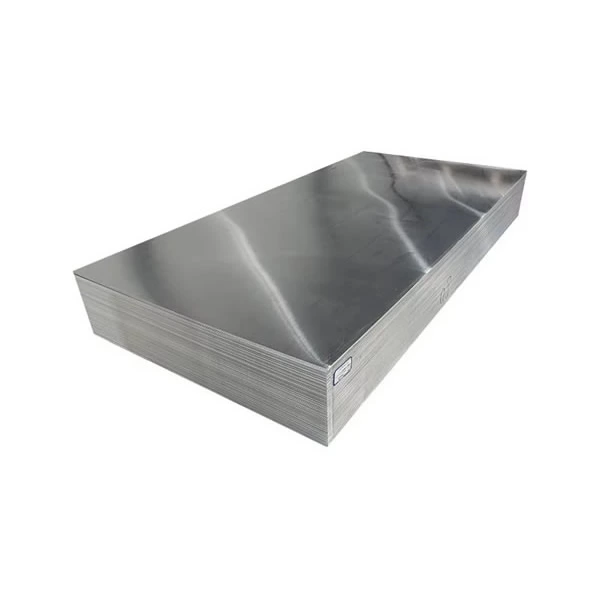
Sheet Metal Thickness 0.5 – 12 mm
Max CNC Workpiece Size 1500 x 800 x 600 mm
Max Bending Length Up to 3000 mm
Press Force Up to 200 Tons
Min Punch Hole Ø1.0 mm, subject to thickness
Laser Cutting Tolerance ±0.05 mm for selected parts
Welding Types MIG / TIG / Spot / Laser
Min Order Qty 1 pc prototype available; small-batch and production orders supported
Production Lead Time 5 – 15 days
Aluminum Fabrication

Fabrication Geometry We Handle

  • Sheet, Plate & Profile-Based Parts
  • Bent Brackets, Frames & Panels
  • Punched, Drilled & Tapped Features
  • Welded Aluminum Assemblies
  • Multi-Process Fabricated Components

Product Cases

Aluminum Fabrication Product Cases

Example fabricated aluminum parts for global projects

Precision Aluminum Bracket
Welded Support Arm
Welded Support Arm
Curtain Wall Frame
Curtain Wall Frame
Heat Sink Enclosure
Heat Sink Enclosure
Marine Deck Cleat
Marine Deck Cleat
Modular Aluminum Frame
Automation Frame Assembly
Machined Frame Component

Can't find the product you need?    Contact us to discuss your custom manufacturing requirements and find the right solution for your project.

Explore Products
Cutting & Profiling

Cutting & Profiling

Laser, waterjet and saw cutting for aluminum sheets, plates, profiles and custom fabricated parts.

Bending & Forming

Bending & Forming

Press brake bending and forming for aluminum sheet, plate, brackets and custom structural parts.

Punching & Drilling

Punching & Drilling

CNC punching, drilling, tapping and slotting for holes, threads, mounting points and functional features.

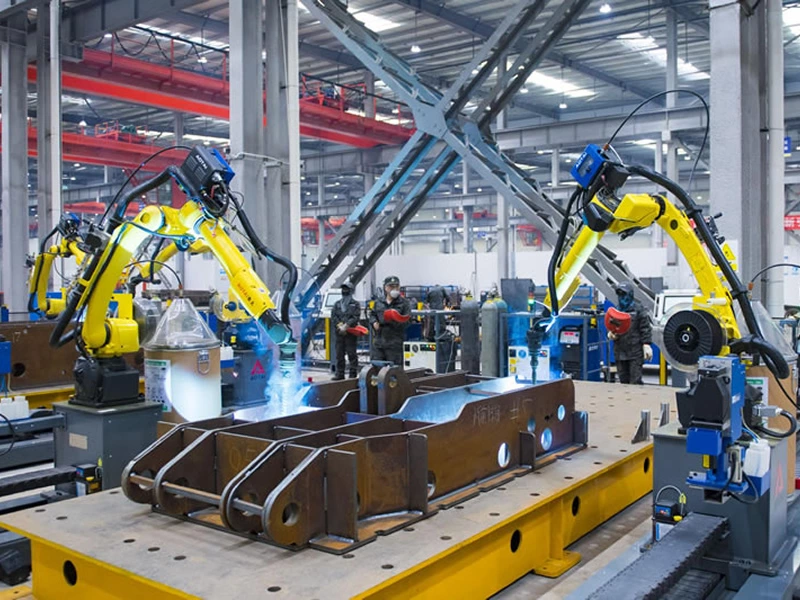
Welding & Assembly

Welding & Assembly

MIG, TIG, spot and laser welding with hardware insertion, sub-assembly and custom packaging support.

Secondary Processing

Secondary Fabrication & Machining Operations

Integrated cutting, bending, drilling, tapping, welding, CNC machining and assembly help simplify sourcing and keep custom aluminum fabrication projects moving efficiently.

Cutting
Bending
Drilling & Tapping
Welding
CNC Milling
Assembly

Production Process

From Drawing Review to Finished Fabricated Parts

Our aluminum fabrication workflow covers drawing review, material preparation, cutting, bending, drilling, welding, inspection and finishing.

01

Drawing Review & DFM

Drawing Review & DFM

Our engineers review CAD files, drawings and fabrication requirements before production. DFM feedback helps identify material, tolerance, bending, welding and cost optimization opportunities.

Initial DFM feedback available within 12–24 hours.

02

Material Preparation

Material Preparation

Raw aluminum stock (sheet, plate, extrusion, or casting) is prepared and fixtured. Material certificates verified. Cutting to rough dimensions before machining.

Common materials include 6061, 6063, 5052, 5083, 6082 and 7075.

03

CNC Machining / Fabrication

CNC Machining / Fabrication

Primary operations include cutting, bending, punching, drilling, tapping, welding and CNC machining for custom aluminum parts.

Multi-axis CNC capability. In-process inspection is performed by batch or shift.

04

Welding & Assembly

Welding & Assembly

MIG, TIG, spot, or laser welding for assembled components. Certified welders per AWS standards. Hardware insertion and sub-assembly as required.

AWS D1.2 certified welders. Weld inspection: visual + dye penetrant.

05

Quality Inspection

Quality Inspection

Dimensional inspection using CMM, calipers, and gauges. Surface roughness measurement. First article inspection (FAI) reports for production runs.

CMM checks critical dimensions. CNC-machined features can be verified to ±0.01 mm.

06

Finishing & Packaging

Finishing & Packaging

Surface finishing (anodizing, powder coat, sandblasting) applied in-house. Parts cleaned, protected, and packaged for safe transport.

Full in-house finishing lines. Custom packaging for delicate parts available.

Material Selection

Aluminum Materials for Fabrication

We work with common aluminum alloys for cutting, bending, punching, drilling, welding and CNC machining based on part structure and application requirements.

7075 Aluminum Alloy

7075 Aluminum Alloy

High-Strength Machining Grade
6082 Aluminum Alloy

6082 Aluminum Alloy

Structural Fabrication Grade
6061 Aluminum Alloy

6061 Aluminum Alloy

Versatile Machining & Structural Grade
5052 Aluminum Alloy

5052 Aluminum Alloy

Bending & Sheet Fabrication Grade
5083 Aluminum Alloy

5083 Aluminum Alloy

Weldable & Corrosion-Resistant Grade
6063 Aluminum Alloy

6063 Aluminum Alloy

Profile & Frame Fabrication Grade

Note: Alloy properties vary by temper, part design, and application.

Applications

Industries We Serve

Supporting diverse industries with tailored manufacturing solutions for varied application needs.
Your Competitive Advantage

WHY CHOOSE US

Your Competitive Advantage

End-to-end aluminum fabrication solutions engineered for quality, speed, and long-term partnership.

One-Stop Process Support

One-Stop Process Support

From cutting and machining to finishing and assembly, we deliver complete solutions under one roof.

Expert Engineering Review

Expert Engineering Review

DFM analysis and engineering support ensure your design is optimized for performance and manufacturability.

Reliable Communication

Reliable Communication

Cutting, welding, and assembly handled by one AWS D1.2 certified team — no coordinating across separate vendors.

FAQ

Common Questions

Clear answers to help you better understand our services and capabilities.

Aluminum fabrication covers the processes used to turn raw material or components into a finished part, including CNC machining, cutting, welding, and sheet metal work — the right combination depends on your part's design.

Aluminum in a harder temper, like 6061-T6, has less ductility than softer tempers or materials, so it needs a larger bend radius to avoid cracking on the outside of the bend. Softer aluminum tempers can generally be bent to a tighter radius without this risk.

Aluminum is most commonly welded using MIG or TIG processes, which require different technique and equipment settings than steel due to aluminum's lower melting point and higher thermal conductivity.

Yes — beyond individual parts, we fabricate assemblies such as equipment cabinets and panels, including riveting, CNC cutouts, and finishing.

Ready to Start Your Custom Aluminum Project?

Upload your drawings or describe your requirements. Our team will review your inquiry promptly and provide initial feedback.

This site uses cookies

We use cookies to collect information about how you use this site. We use this information to make the website work as well as possible and improve our services.more details