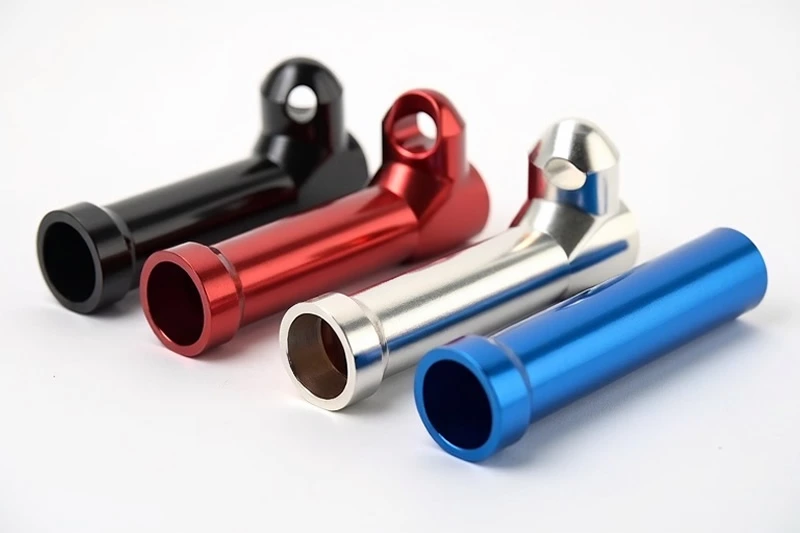
Type II decorative anodizing and Type III hard anodizing for corrosion resistance, wear resistance and limited color options.
RAL color matching with matte, gloss, textured and metallic finish options.
Mirror, brushed and satin finishes, with Ra < 0.1 μm achievable on selected polished surfaces.
Sandblasting, brushing, conversion coating, electrophoresis and other custom finishing options.
Technical parameters for anodizing, powder coating, sandblasting, polishing and other aluminum surface finishing options.
| Capability Parameters | |
|---|---|
| Type II Anodizing | 5 – 25 μm thickness |
| Type III Hard Anodizing | 25 – 75 μm thickness |
| Powder Coating Thickness | 60 – 120 μm |
| Sandblasting Grit | 80 – 220 mesh |
| Max Part Size | 2000 x 1500 x 800 mm |
| Polishing Surface Roughness | Ra < 0.1 μm on selected mirror-polished surfaces |
| Color Matching | RAL color matching and custom color samples |
| Order Flexibility | From prototypes to small-batch and production finishing |
| Lead Time | 3–10 days, depending on finish type and order requirements |
| Inspection Method | Visual inspection / coating thickness check / adhesion test / color verification |
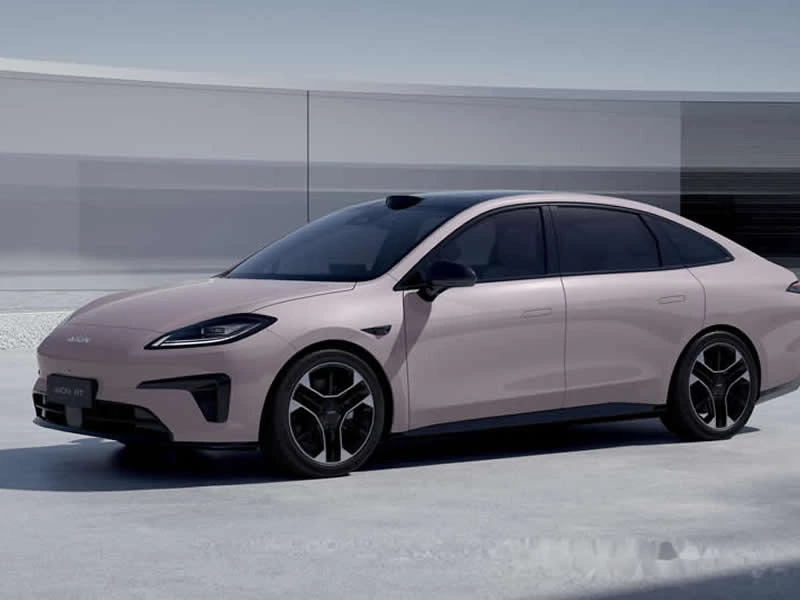
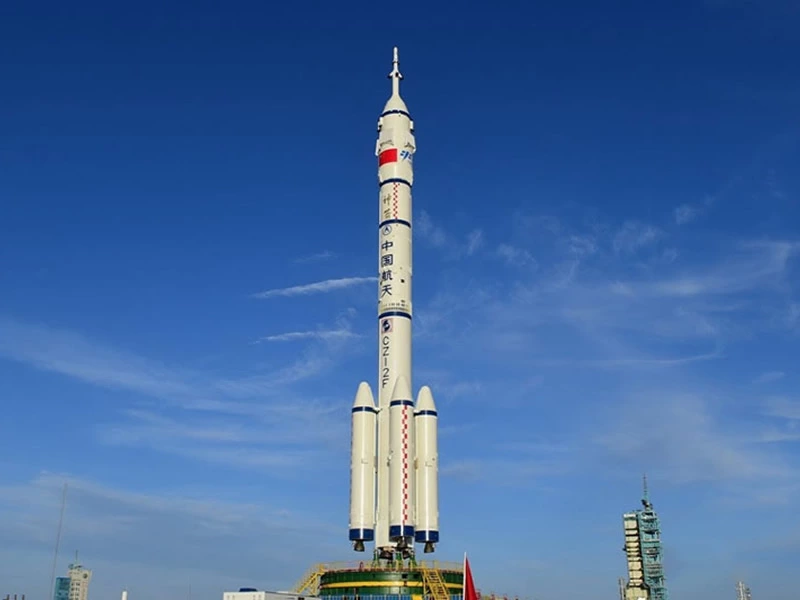
Example finished aluminum parts for global projects
A controlled finishing workflow helps ensure surface cleanliness, color consistency, coating adhesion, appearance quality, and safe packaging for custom aluminum parts.
01
Parts are cleaned, degreased and inspected before finishing. Sandblasting, chemical cleaning or other pre-treatment methods are used to improve adhesion and surface consistency.
02
Color samples, surface texture, gloss level and coating requirements are reviewed before batch finishing to better match project specifications.
03
Anodizing or powder coating is applied under controlled process conditions, including coating thickness, temperature, voltage or curing parameters.
04
Anodized parts can be dyed and sealed for color stability and corrosion resistance. Powder-coated parts are cured to form a durable protective finish.
05
Coating thickness, adhesion, color consistency and surface appearance are checked against drawings, samples or approved finishing requirements.
06
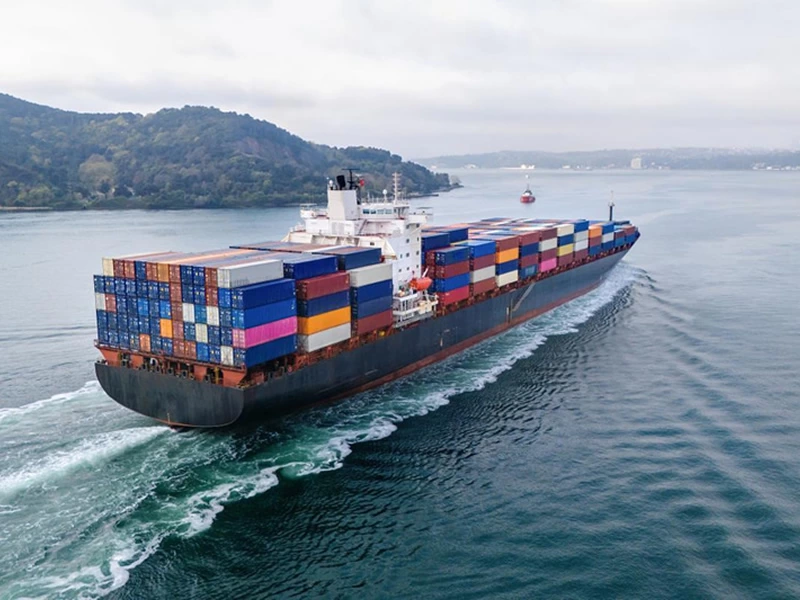
Finished parts are protected with PE film, foam inserts, interleaf paper or edge protectors to reduce surface damage during handling and export shipment.
Choose the right finish for your application
| Finish Type | Appearance | Corrosion Resistance | Durability | Typical Thickness | Typical Use Cases |
|---|---|---|---|---|---|
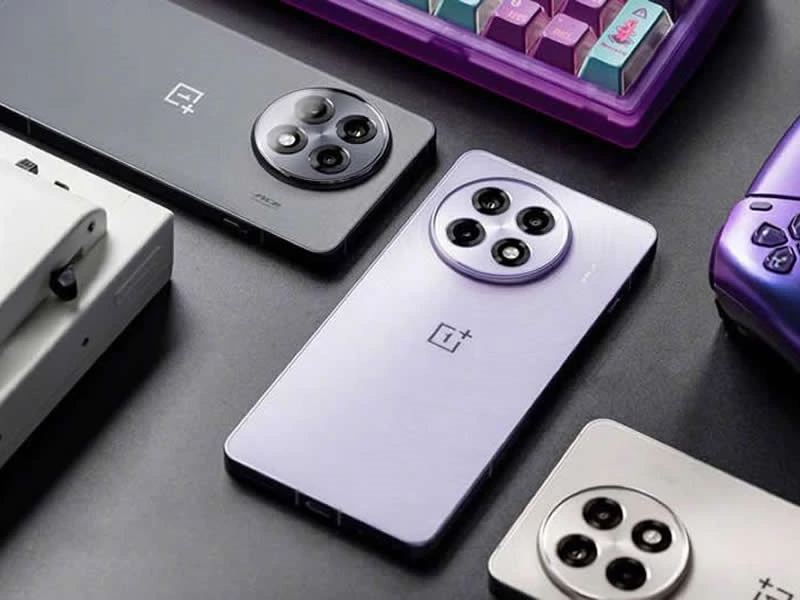
| Anodizing | Metallic / Satin | Excellent | High | 5–25 μm | Electronics, trim, architectural profiles |
| Hard Anodizing | Dark Matte | Excellent | Very High | 25–75 μm | Wear-resistant parts, mechanical components, industrial parts |
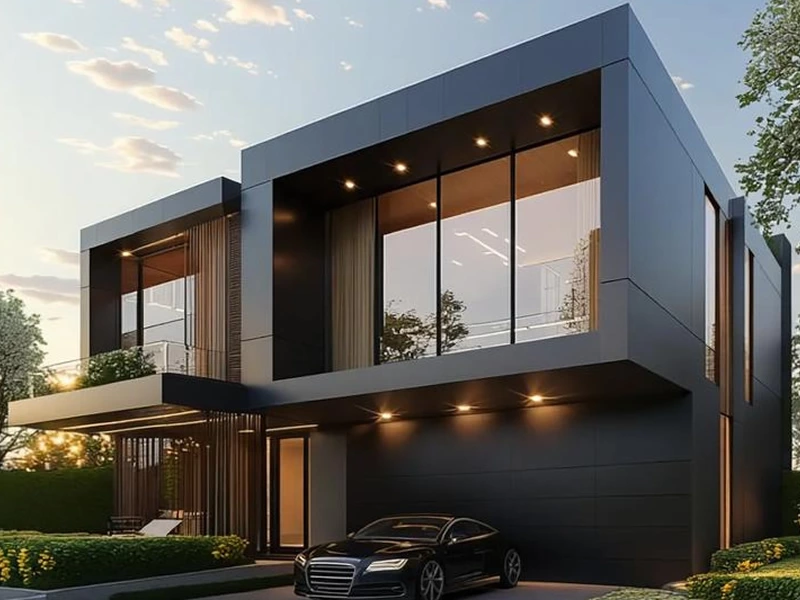
| Powder Coating | Matte / Gloss / Texture | Excellent | High | 60–120 μm | Outdoor structures, equipment housings, aluminum frames |
| Sandblasting | Uniform Matte | Low as standalone finish | Medium | — | Matte texture, coating pre-treatment, decorative surfaces |
| Electrophoresis | Smooth Uniform Coating | High | High | 15–30 μm | Housings, complex geometry parts, corrosion-resistant components |
| Brushing | Hairline Texture | Medium | Medium | — | Panels, nameplates, decorative aluminum parts |
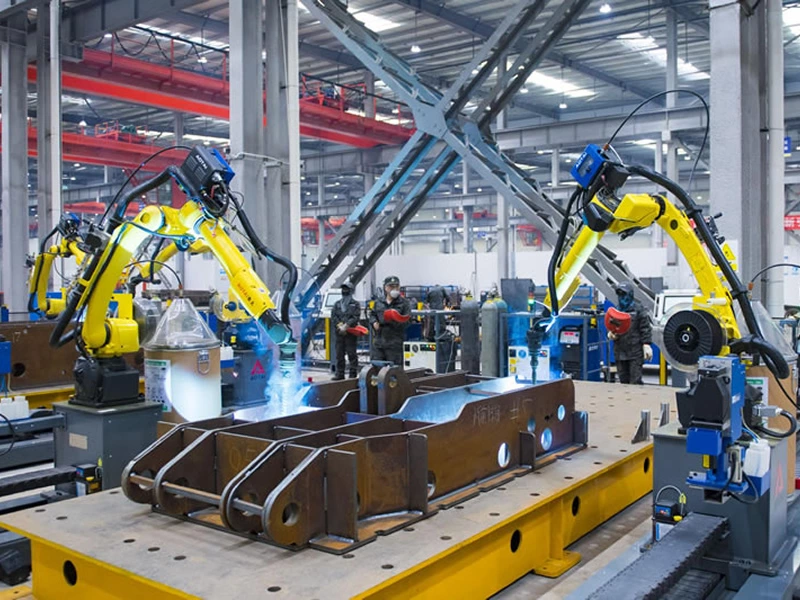
Surface finishing support for CNC-machined parts, aluminum profiles, die-cast housings, and fabricated aluminum components.
Applications
End-to-end aluminum finishing solutions engineered for quality, speed, and long-term partnership.
We help review part material, surface condition, application environment, and appearance requirements to recommend suitable finishing options.
Color samples, gloss level, surface texture, and coating requirements can be confirmed before batch finishing to improve consistency.
We use protective film, foam, interleaf paper, and custom packaging methods to reduce scratches and surface damage during transport.
FAQ
Anodizing generally has less impact on dimensions and holds tighter tolerances, making it a common choice for precision parts with holes or threads, while powder coating offers a wider color range and thicker, more impact-resistant coverage, often preferred for visible panels or parts needing a specific brand color. Share your part's function and finish requirements and we can help you decide.
Generally no — anodizing builds up on sharp edges and can affect fit, so threaded holes are typically masked before anodizing to preserve the as-machined dimension. This is a common design detail worth flagging early, since it's easy to miss until parts don't assemble correctly.
Anodizing is an electrochemical process that thickens aluminum's natural oxide layer, improving corrosion resistance and allowing the surface to be dyed in different colors.
Powder coating is a dry finishing process where powdered paint is electrostatically applied and then cured under heat to form a durable, even coating, available in a range of colors.
Powder coating and Type III hard anodizing are both strong options for outdoor aluminum parts. Powder coating provides excellent color durability and UV resistance, while hard anodizing improves surface hardness and wear resistance. For coastal or marine environments, conversion coating with powder coating can provide stronger corrosion protection.
Upload your drawings or describe your requirements. Our team will review your inquiry promptly and provide initial feedback.
We use cookies to collect information about how you use this site. We use this information to make the website work as well as possible and improve our services.more details