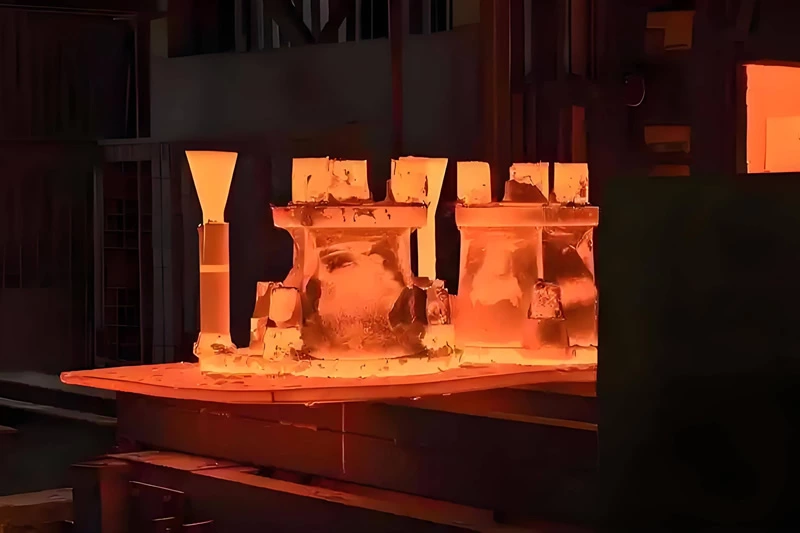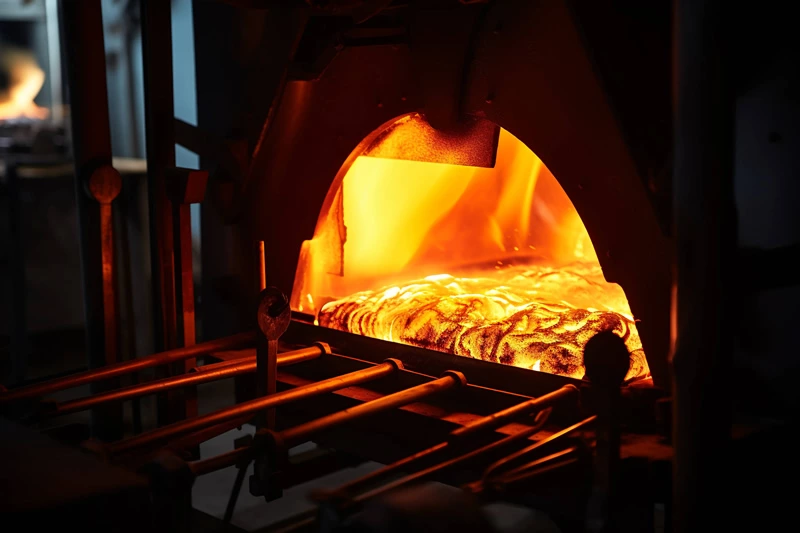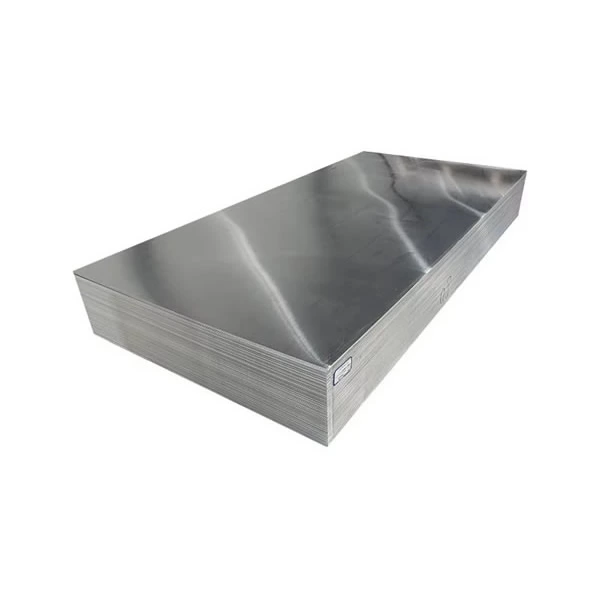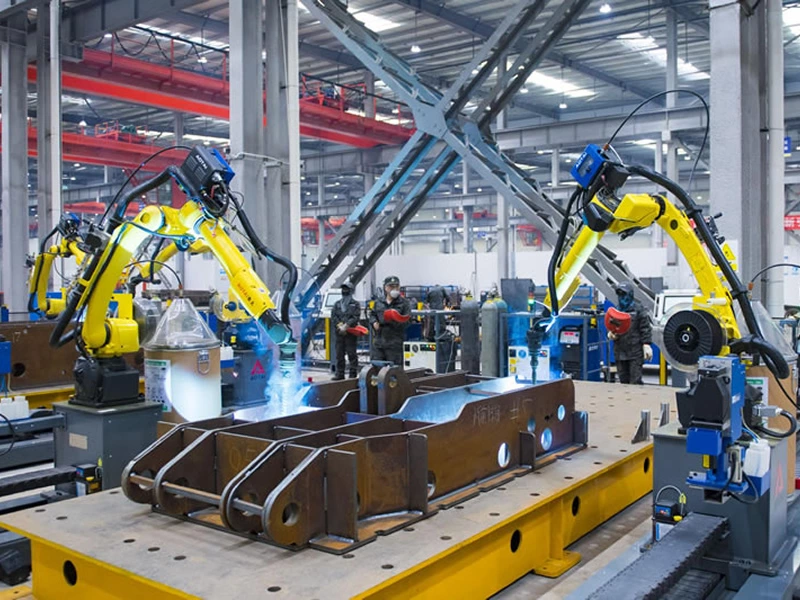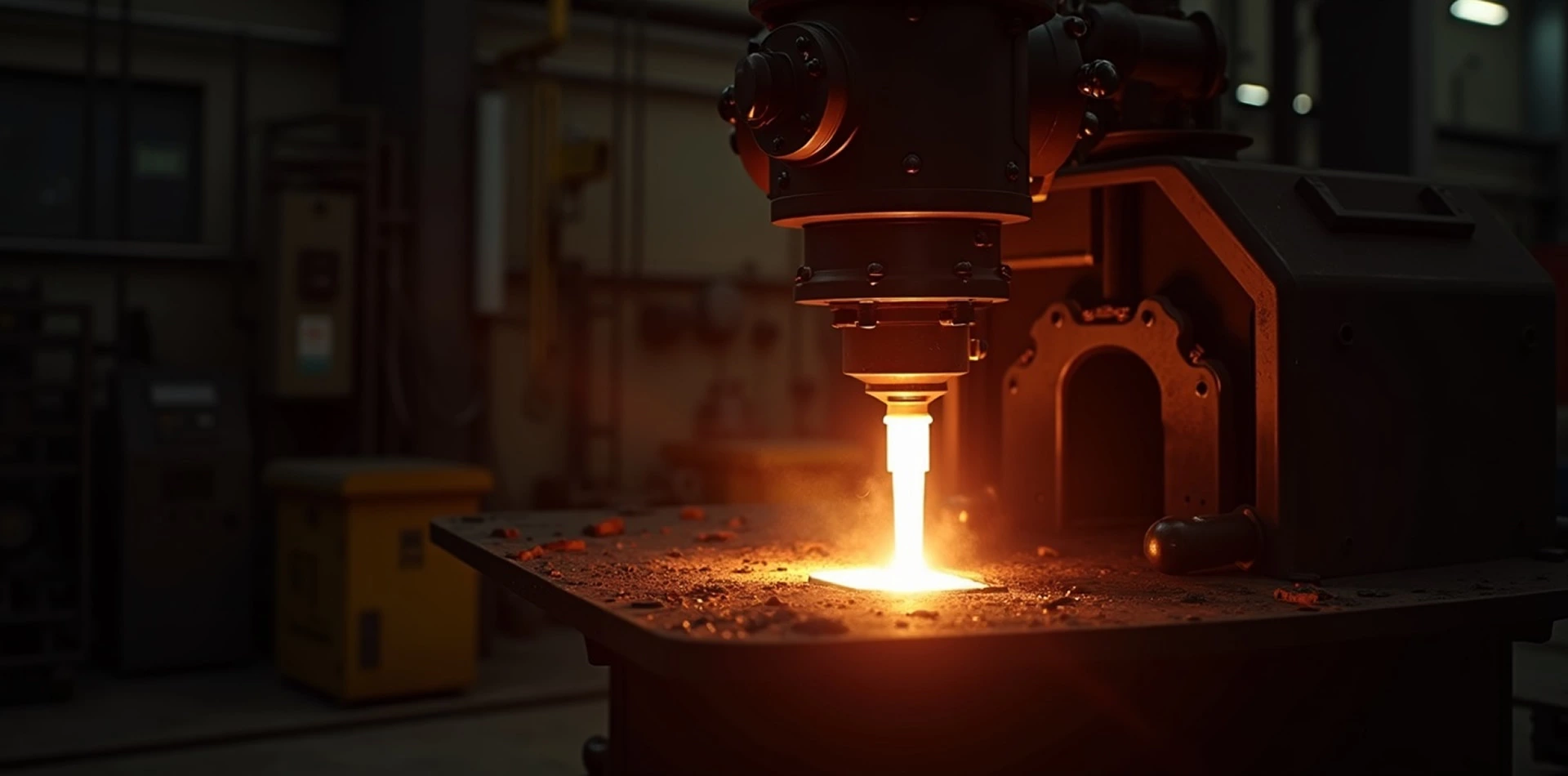
Closed-die forging for complex structural components.
Enhanced strength through T6 heat treatment, controlled furnaces and hardness verification.
CNC-machined holes, faces and critical features can reach ±0.01 mm.
Sandblast, polish, powder coat, e-coat in-house.
Technical parameters for custom forged aluminum parts, including size, weight, tolerance, heat treatment and finishing options.
| Capability Parameters | |
|---|---|
| Common Alloys | 6061 / 7075 / 2024 / 6082 |
| Max Part Size | 800 – 1,000 mm |
| Max Weight | 20 – 30 kg |
| Typical Forging Tolerance | ±0.3 – 0.5 mm |
| CNC-Machined Features | Up to ±0.01 mm |
| Heat Treatment | T6 / T73 / T351 by alloy |
| Die Lead Time | 15 – 25 days |
| Production Lead Time | 10–20 days after tooling approval |
| Production Volume | Small batch to mass production |
| Surface Finishing | Sandblast / Polish / Powder Coat / E-coat |
Example forged aluminum applications for global projects
We support high-strength aluminum alloys for custom forged parts, with material selection based on strength, toughness, machinability and application requirements.
Cooled from elevated temperature shaping process + artificial aging. Moderate strength improvement. Better machinability than T6.
Solution heat treatment, quenching and artificial aging are used to increase strength, hardness and mechanical performance for forged aluminum parts.
Our forging workflow helps control die design, billet heating, forming, heat treatment, CNC machining and final inspection.
01
Engineering review of your part for forgeability. Die design including parting line, draft angles, flash allowance, and fiber flow optimization.
02
CNC machining of H13 tool steel forging dies. EDM for complex features. Die lead time: 15–25 days.
03
Aluminum billets heated to 400–480°C in controlled furnaces. Temperature uniformity ensures consistent grain structure.
04
High-pressure forging press shapes the heated billet into the die cavity. Closed-die forging for complex shapes and tight tolerances.
05
Solution heat treatment and artificial aging help improve strength and hardness.T6 is commonly used for high-strength structural applications.
06
Post-forging CNC turning, milling, drilling and tapping for machined features that can reach ±0.01 mm.
We support high-strength aluminum alloys for custom forged parts, with material selection based on strength, toughness, machinability and application requirements.
Note: Alloy properties vary by temper, part design, and application.
Applications
End-to-end aluminum forging solutions engineered for quality, speed, and long-term partnership.
From forging and machining to finishing and assembly, we deliver complete solutions under one roof.
DFM analysis and engineering support ensure your design is optimized for performance and manufacturability.
Clear communication, responsive service, and dependable delivery you can count on.
FAQ
Hot forging heats aluminum to improve formability and grain flow. Closed-die forging uses precision dies to form stronger, more consistent parts with tighter dimensional control. We select the forging method based on part geometry, strength requirements and production volume.
T6 heat treatment, including solution heat treatment and artificial aging, increases strength and hardness in alloys such as 6061 and 7075. It is commonly used for load-bearing, structural and performance-focused forged aluminum parts.
We support prototype runs, small batches and production orders for custom forged aluminum parts. MOQ depends on part size, material, die cost, heat treatment and finishing requirements. For production projects, higher volumes usually provide better tooling cost efficiency.
Forging die development typically takes 15–25 days, depending on part complexity, die structure, material and production requirements. Our DFM review helps optimize the die design before tooling starts.
Yes. We support complex forged aluminum parts with multi-plane parting lines, ribs, bosses, mounting features and 3D geometries. CNC-machined holes, faces and critical features can reach ±0.01 mm after forging.
We support dimensional inspection, hardness testing, tensile testing, visual inspection and material documentation for forged aluminum parts. CMM inspection, mill certificates, X-ray testing and ultrasonic testing can be provided based on project requirements.
Upload your drawings or describe your requirements. Our engineers will respond within 24 hours with an engineering review and initial feedback.
We use cookies to collect information about how you use this site. We use this information to make the website work as well as possible and improve our services.more details