Understanding Aluminum Anodizing: Types, Benefits, and Applications
In the competitive landscape of modern industrial manufacturing, designing a high-performance custom aluminum alloy component is only half the battle. To ensure that a product can withstand harsh environmental conditions, resist mechanical wear, and achieve a premium aesthetic, engineers must select the right surface treatments. Among the vast array of finishing options available, aluminum anodizing stands out as the absolute industry standard.
Whether you are manufacturing sleek consumer electronics, durable automotive parts, or structural architectural components, understanding how anodizing works is crucial. This comprehensive guide explores the science behind aluminum anodizing, details the different types available, highlights its core benefits, and explains how this surface finish interacts with various manufacturing processes like aluminum extrusion, die casting, and CNC machining.
What is Aluminum Anodizing? (The Science Behind the Finish)
Unlike paint, powder coating, or plating—which apply a physical layer of material on top of the metal—anodizing is an electrochemical process that converts the metal surface into a decorative, durable, and corrosion-resistant anodic oxide finish.
During the anodizing process, the custom aluminum part is submerged in an acid electrolyte bath and an electrical current is passed through the medium. A cathode is mounted to the inside of the anodizing tank; the aluminum acts as an anode (hence the name "anodizing"). The electrical current releases oxygen ions from the electrolyte, which combine with the aluminum atoms at the surface of the part being treated.
Because the resulting aluminum oxide layer is fully integrated with the underlying aluminum substrate, it cannot chip, flake, or peel. It is a highly ordered, porous structure that is fundamentally woven into the metal itself.
Core Types of Aluminum Anodizing
In the B2B manufacturing sector, anodizing is generally categorized by the MIL-A-8625 military specification. Depending on your product's performance requirements, you will typically choose from one of three primary types:
Type I: Chromic Acid Anodizing
Type I uses chromic acid to create a remarkably thin but highly corrosion-resistant oxide layer.
-
Characteristics: It yields a very thin coating (typically 0.00002” to 0.0001” thick) that is relatively soft and flexible. It appears opaque and grayish and does not absorb custom colors well.
-
Best Applications: Because it does not significantly alter the dimensions of the part and resists fatigue, Type I is heavily utilized in the aerospace and defense industries for critical flight components and precision-machined weldments.
Type II: Sulfuric Acid Anodizing (Standard Anodizing)
This is the most common form of anodizing used in commercial and industrial applications worldwide.
-
Characteristics: Type II uses a sulfuric acid bath to create a thicker oxide layer (typically 0.0001” to 0.001” thick). The resulting porous structure is highly receptive to organic and inorganic dyes, making it the go-to choice for brilliantly colored aluminum parts.
-
Best Applications: From brightly colored carabiners and high-end smartphone casings to architectural aluminum extrusion panels and sporting goods, Type II offers the perfect balance of aesthetics, cost, and corrosion resistance.
Type III: Hardcoat Anodizing (Hard Anodizing)
When extreme durability and wear resistance are non-negotiable, engineers specify Type III.
-
Characteristics: Also utilizing a sulfuric acid bath, Type III is performed at lower temperatures and higher voltages. This creates an incredibly dense, thick oxide layer (typically 0.001” to 0.002” or thicker) that is harder than tool steel. It usually yields a dark gray or black finish and is less receptive to bright dyes.
-
Best Applications: Heavy-duty industrial equipment, automotive engine components, hydraulic pistons, and military firearms. It is ideal for parts subject to extreme friction and mechanical sliding.
Key Benefits of Anodizing Custom Aluminum Parts
Investing in anodizing for your custom aluminum alloy projects delivers a substantial return on investment through several mechanical and cosmetic advantages:
-
Unmatched Corrosion Resistance: The aluminum oxide layer inherently protects the base metal from oxidation, moisture, salt-spray, and harsh chemicals, extending the product lifecycle dramatically.
-
Superior Durability and Wear Resistance: Because the anodized layer is integrated into the metal, it provides exceptional scratch resistance. Type III hardcoat anodizing, in particular, offers wear properties rivaling specialized hardened steels.
-
Color Stability and Aesthetics: The porous nature of the Type II anodic layer acts like a sponge, pulling colored dyes deep into the structure before being permanently sealed. Unlike paint, UV-resistant anodized colors will not fade, chip, or peel under normal conditions, preserving a premium metallic luster.
-
Electrical and Thermal Insulation: Interestingly, while raw aluminum is an excellent conductor, the anodic oxide layer is an electrical insulator. This is highly beneficial in manufacturing complex electronic enclosures where short circuits must be prevented.
How Anodizing Interacts with Different Manufacturing Processes
A critical factor in B2B procurement is understanding that not all manufacturing processes yield parts that can be anodized equally well. The structural integrity and metallurgical purity of the base part heavily dictate the final finish quality.
Anodizing and Aluminum Extrusion
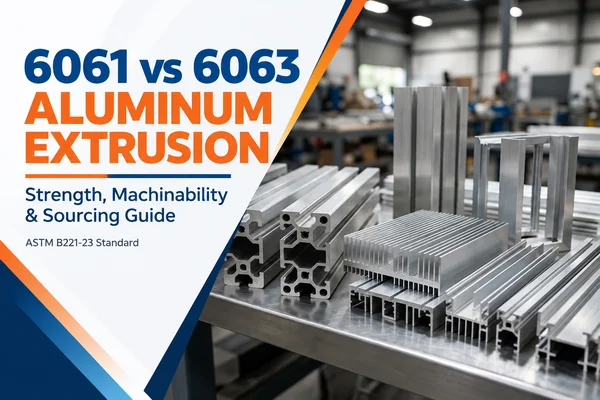
Compatibility: Excellent. Aluminum extrusion profiles (especially the 6000 series, like 6061 and 6063) are the ideal candidates for anodizing. The extrusion process creates a dense, uniform, and continuous grain structure. When an extruded heat sink or architectural frame is sent through a Type II sulfuric bath, it results in a flawless, highly vibrant, and perfectly uniform finish.
Anodizing and CNC Machining
Compatibility: Excellent. Parts created through CNC machining from solid billet aluminum (like 6061-T6 or 7075) also anodize beautifully. However, engineers must account for dimensional changes. Because anodizing grows the oxide layer both into and out of the metal (adding a few ten-thousandths of an inch), critical tight-tolerance features, such as threaded holes or bearing fits, may need to be masked during the surface treatment process.
Anodizing and Die Casting
Compatibility: Poor to Challenging. As highlighted in our previous extrusion vs. casting guide, die casting involves injecting liquid metal into a mold at high speeds, which inevitably traps micro-bubbles of air. This creates internal porosity. Furthermore, casting alloys (like ADC12) contain high levels of silicon to improve metal flow. Silicon does not anodize. If you attempt to standard-anodize a typical die-cast part, the finish will often emerge patchy, dark, and aesthetically unacceptable. If a cast part must be anodized, specialized high-vacuum casting methods and specific low-silicon alloys must be used, though powder coating remains the more practical choice.
Conclusion: Elevating Your Custom Aluminum Alloy Projects
Anodizing is far more than a simple cosmetic upgrade; it is a critical engineering process that transforms raw aluminum into a hardened, corrosion-resistant, and aesthetically striking component ready for the global market. By understanding the distinctions between Type I, II, and III processes, and how they interact with underlying manufacturing methods like aluminum extrusion and CNC machining, you can dramatically improve your product’s performance and lifespan.
Choosing the right combination of alloy, manufacturing method, and surface treatment requires deep technical expertise. As a comprehensive provider of custom aluminum alloy solutions, our engineering team is here to guide you through every phase of the Design for Manufacturing (DFM) process. From precision extrusion and multi-axis machining to flawless, vibrant anodized finishes, we deliver turnkey solutions that meet the highest global B2B standards.
Ready to enhance your next project? Reach out to our technical sales team today to discuss your surface treatment requirements and receive a customized manufacturing proposal.
 Have a Custom Aluminum Project?